Equipment overview

What each equipment type does.

General applications, typical system role, and the project information that drives equipment selections.

Packaged hydronic skid
Packaged systems

Custom hydronic packages

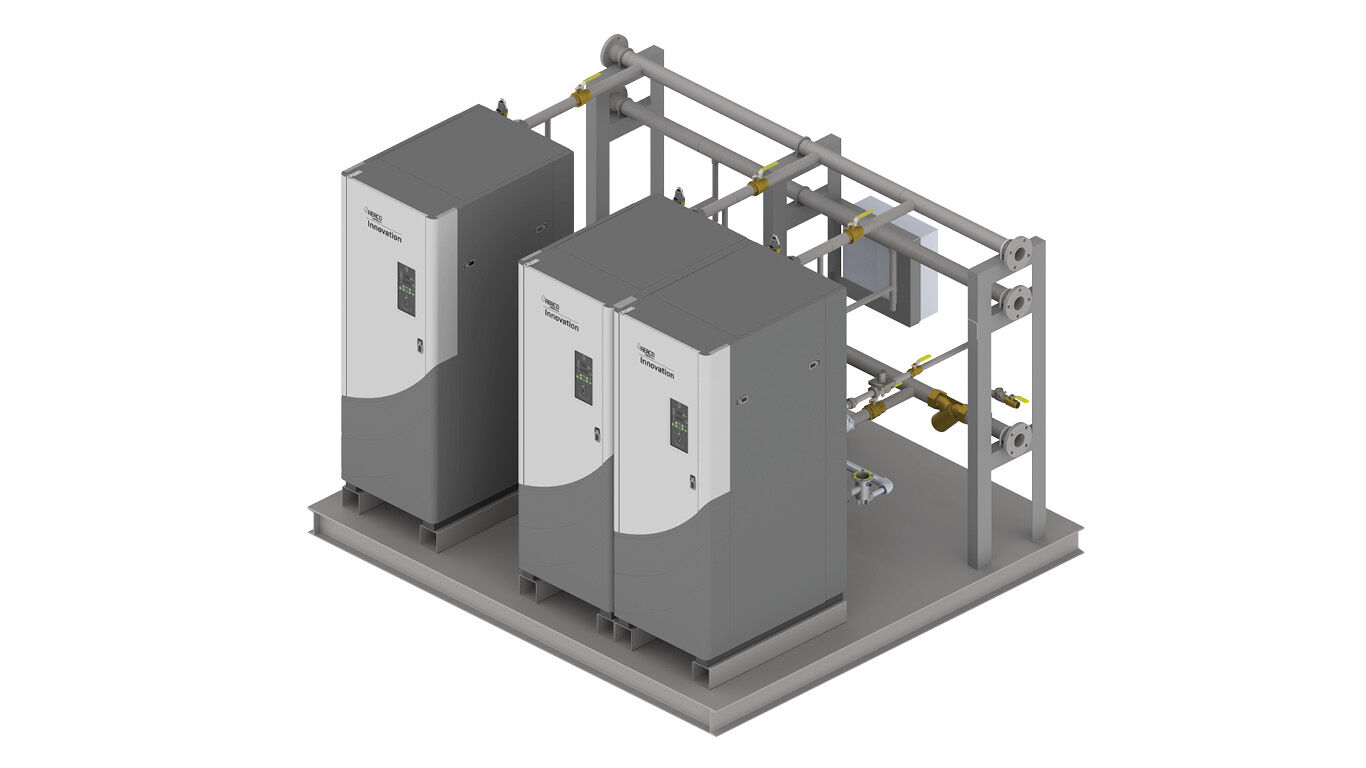
Factory-built assemblies that combine pumps, piping, valves, controls, heat exchangers, or boilers into a coordinated skid. They reduce field labor and help control footprint, quality, and startup coordination.

Applications

Central plants, tenant buildouts, retrofits with tight mechanical rooms, boiler or chiller auxiliaries, pressure boosting, and projects where schedule or quality control matters.

Selection inputs

  • Flow, head, fluid, glycol percentage, and design temperatures.
  • Electrical service, VFD requirements, BAS points, and sequence notes.
  • Footprint limits, access path, rigging limits, lead time, and startup needs.
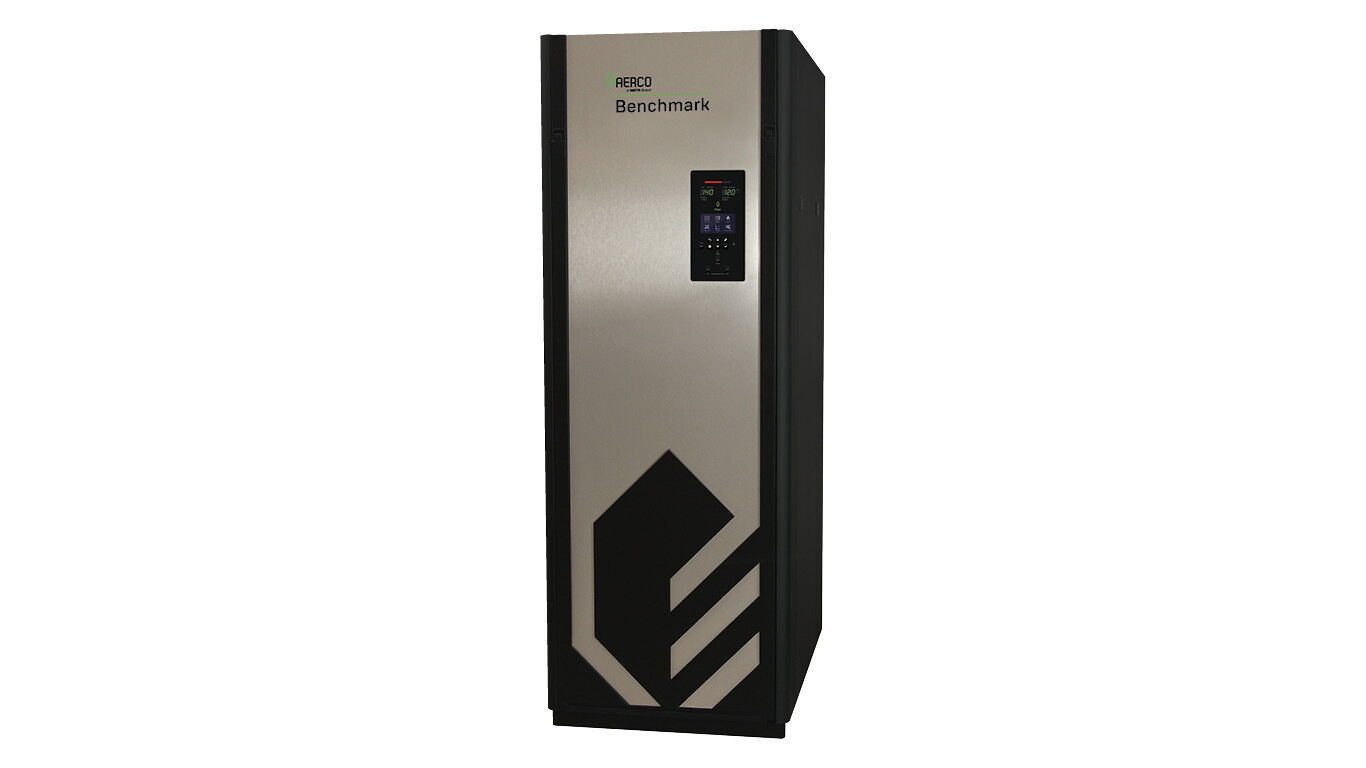
AERCO Benchmark boiler
Boilers

Boilers

Boilers generate hot water for space heating, process loads, domestic water generation through heat exchangers, and hydronic heating loops. Condensing boilers can capture more heat when return-water temperatures are low.

Applications

Heating water plants, schools, offices, multifamily, healthcare, process heating, replacement boilers, and combined heating/DHW plants.

Selection inputs

  • MBH load, supply/return temperatures, boiler count, and redundancy requirements.
  • Fuel type, gas pressure, venting, combustion air, condensate neutralization, and voltage.
  • Basis of design, alternates, footprint, clearances, and service access.
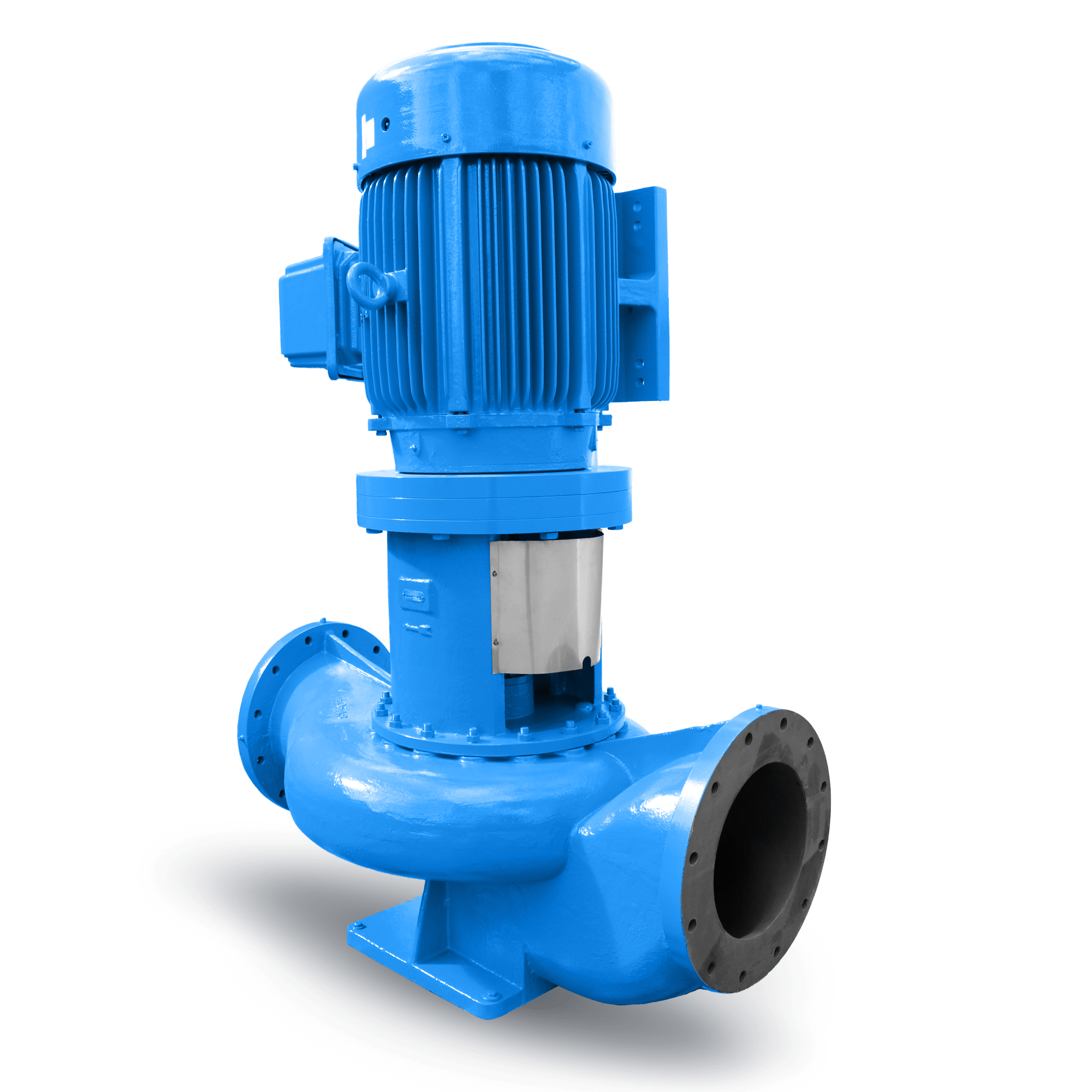
Hydronic pump
Pumps

Pumps

Pumps move water or glycol through heating, chilled water, condenser water, domestic water, and pressure-boosting systems. The right selection keeps the system near its design flow without wasting motor energy.

Applications

Primary and secondary hydronic loops, boiler and chiller plants, condenser water, building distribution, booster systems, and packaged equipment skids.

Selection inputs

  • GPM, total dynamic head, fluid type, glycol percentage, temperature, and suction pressure.
  • Pump type, speed control, standby requirements, and control preference.
  • Motor voltage, enclosure, accessories, isolation, and balancing strategy.
Domestic hot water equipment
Domestic hot water

DHW systems

Domestic hot water equipment heats potable water for fixtures, kitchens, laundry, and other building loads. Systems can be storage, tankless, semi-instantaneous, indirect, or recirculated depending on load profile and recovery needs.

Applications

Multifamily, hotels, schools, healthcare, commercial kitchens, locker rooms, office buildings, and central domestic water plants.

Selection inputs

  • Fixture count, occupancy, peak demand assumptions, storage temperature, mixed temperature, and incoming water temperature.
  • Fuel, voltage, venting, recirculation, mixing valve requirements, and redundancy.
  • Available footprint, service clearance, basis of design, and local code requirements.
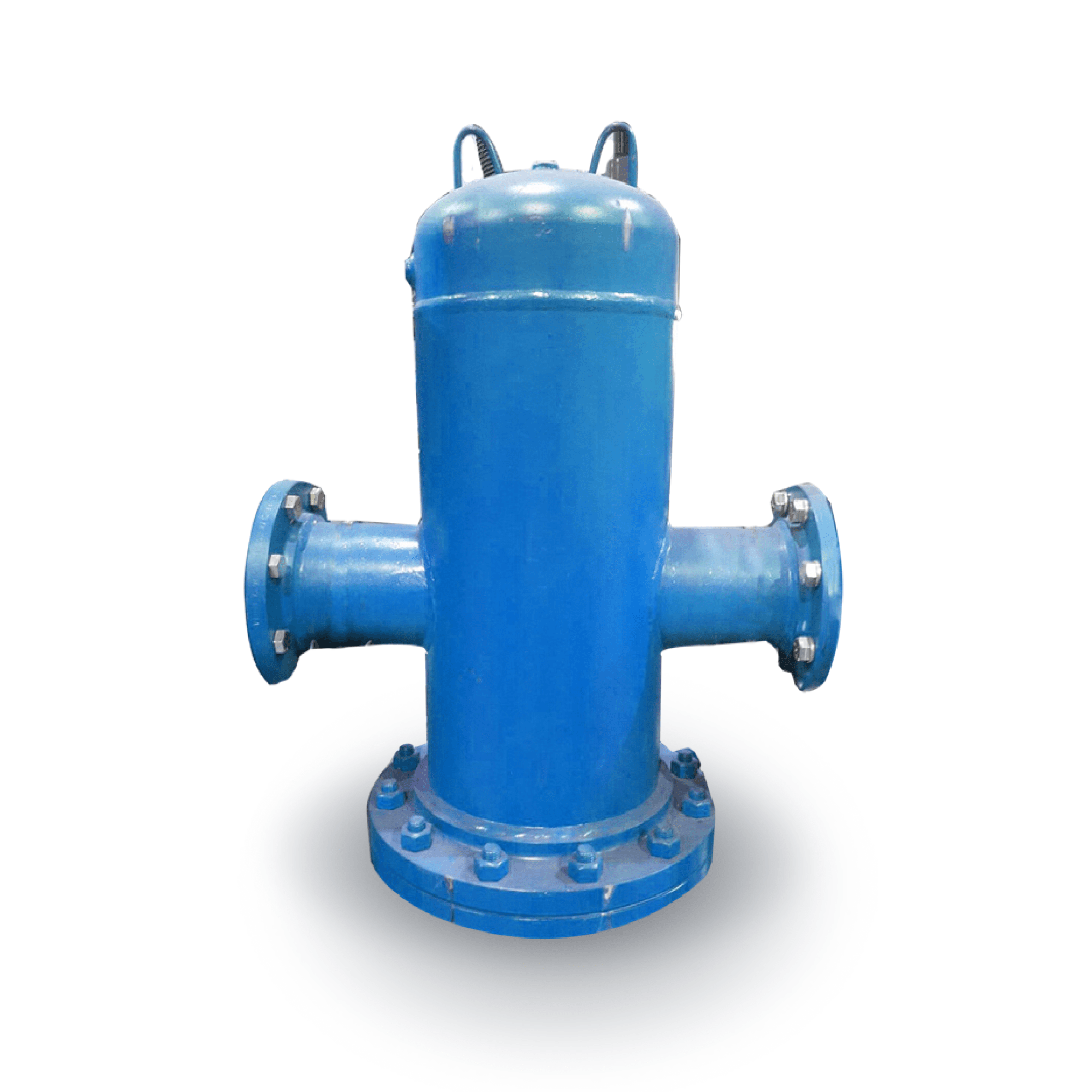
Air and dirt separator
Air & dirt separation

Air/Dirt Separators

Air/dirt separators remove entrained air, microbubbles, dirt, pipe scale, and magnetite from closed-loop hydronic systems. Cleaner water protects pumps, boilers, heat exchangers, control valves, and terminal units from noise, fouling, and premature wear.

Applications

Boiler plants, chilled water loops, heat pump systems, retrofit hydronic loops with iron pipe or legacy equipment, glycol systems, and systems where air noise or debris fouling is a concern.

Selection inputs

  • Pipe size, design flow, fluid, glycol percentage, operating temperature, and pressure rating.
  • Air-only, dirt-only, combination air/dirt, or magnetic separation requirement.
  • Installation location, orientation, blowdown access, service clearance, and allowable pressure drop.
Buffer and storage tank
Thermal mass

Buffer/Storage Tanks

Buffer and storage tanks add water volume and thermal mass to stabilize system temperature and prevent short cycling. They are especially useful when the equipment's minimum output is higher than the building's lowest load condition.

Applications

Low-mass boiler plants, heat pump loops, chiller systems with small water volume, variable-flow hydronics, process water systems, and systems with zone valves or small intermittent loads.

Selection inputs

  • Minimum equipment output, minimum system load, target cycle time, and allowable temperature swing.
  • System volume, design temperatures, fluid, glycol percentage, working pressure, and insulation needs.
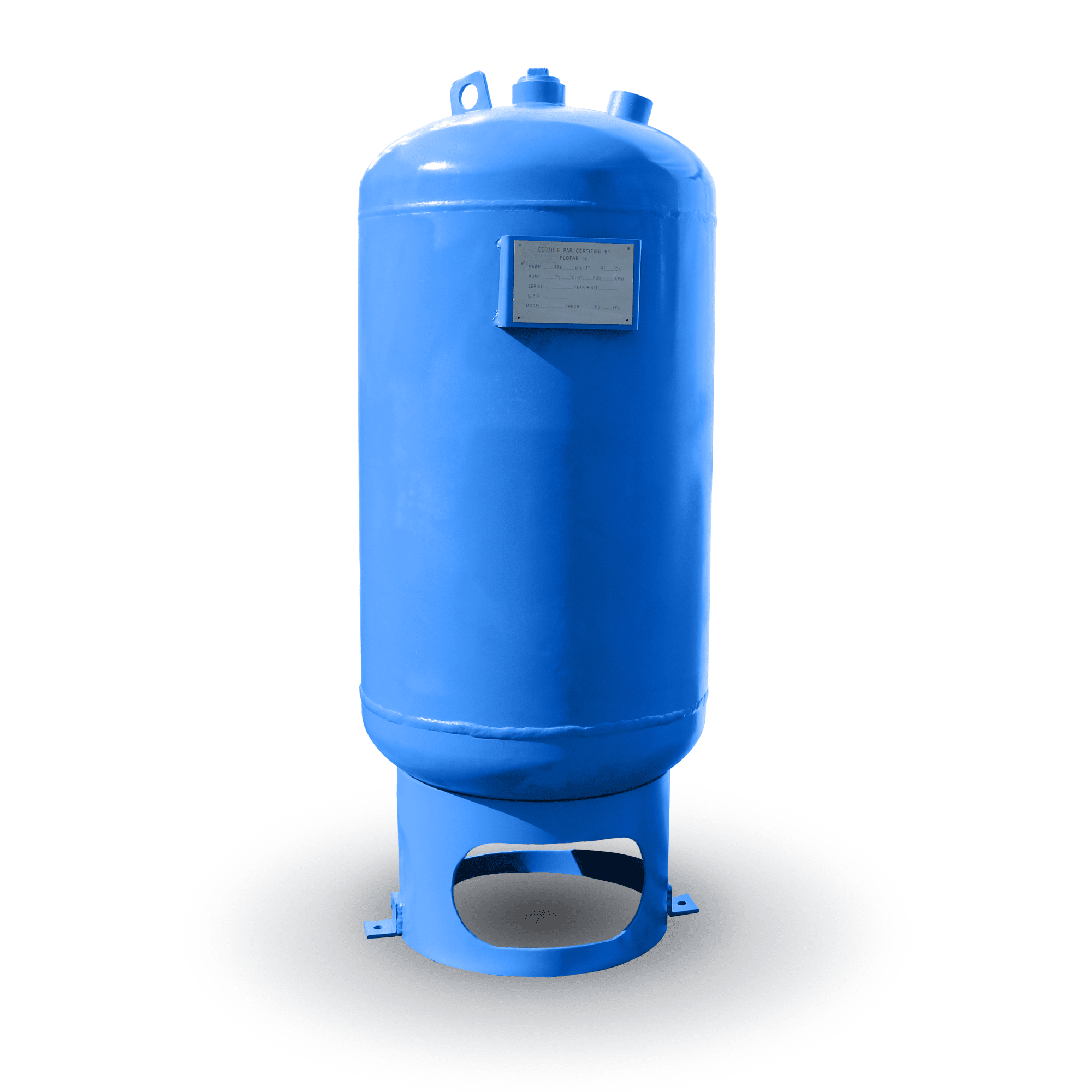
  • Vertical or horizontal arrangement, nozzle sizes, connection orientation, footprint, rigging path, and service access.
Expansion tank
Pressure control

Expansion Tanks

Expansion tanks absorb the change in fluid volume as water or glycol heats and cools. Correct sizing keeps closed-loop pressure stable, prevents nuisance relief valve discharge, and protects pumps and equipment from pressure problems.

Applications

Closed-loop heating water, chilled water, condenser water, glycol systems, heat pump loops, boiler plants, and any closed hydronic system that needs controlled thermal expansion.

Selection inputs

  • Total system volume, fill pressure, relief valve setting, static height, and maximum operating temperature.
  • Fluid type, glycol percentage, diaphragm or bladder preference, and temperature rating.
  • Point of connection, pre-charge pressure, floor or hanging arrangement, service clearance, and ASME requirement.
Valve and flow control
Valves & flow control

Valves and flow control

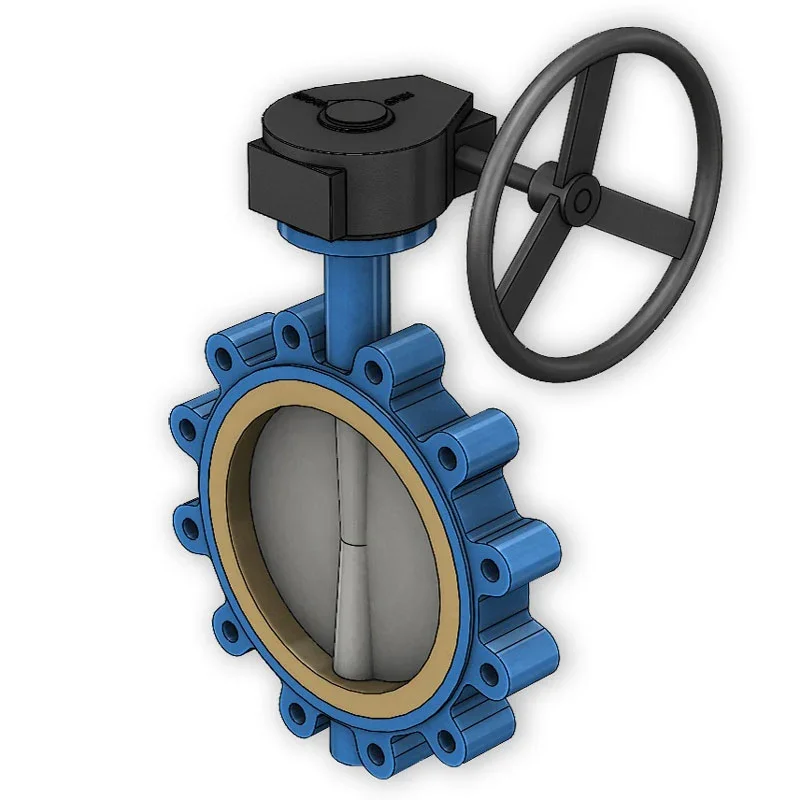
Valves direct, isolate, balance, regulate, and control flow through hydronic and plumbing systems. Proper valve selection improves controllability, commissioning, service access, and system stability.

Applications

Terminal coils, air handlers, branch balancing, pressure control, isolation, bypasses, equipment connections, and pressure-independent control loops.

Selection inputs

  • Pipe size, design flow, pressure drop target, valve type, actuator voltage, fail position, and signal.
  • Manual balance, automatic balance, PICV, control valve, PRV, relief, butterfly, check, or specialty need.
  • Media, temperature, pressure class, end connections, insulation clearance, and service access.